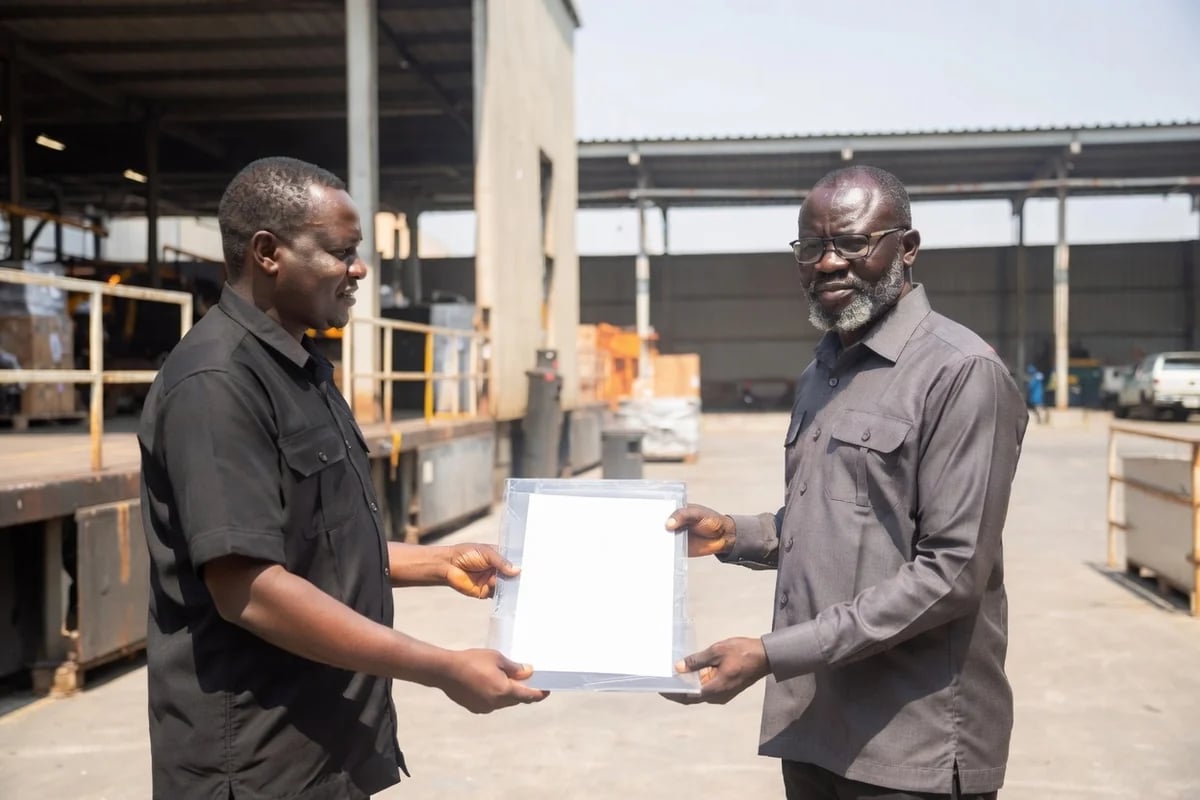
Refining Coordination
Coordination of precious-metals consignments to refining facilities, managing documentation, scheduling and chain-of-custody requirements from source to refinery intake.
If you need precious-metals consignments coordinated to a refinery in Ghana, the documentation and custody have to be complete before the material moves — not reconstructed at the refinery gate. Ghana Metals coordinates that process across Ghana and Togo, working within Ghana’s GoldBod-regulated framework, since 1976. We coordinate with refineries — we do not operate one, refine, or mine. Discuss a compliant engagement — or request a quote against spot: +233 27 000 0844. Institutional clients only.
Do You Coordinate Gold Refining?
Yes — Ghana Metals coordinates the movement of a precious-metals consignment to a refining facility, carrying the documentation, scheduling, and chain-of-custody discipline that refinery intake demands. We are the structured intermediary between sourcing operations and refinery intake. We coordinate with refineries; we are not a refinery, we do not refine or mine, and we do not claim LBMA accreditation for ourselves or any coordinated facility. Where official assay or export applies, we coordinate it within Ghana’s GoldBod-regulated framework (Act 1140).
What is Refining Coordination?
Refining coordination is the structured management of a precious-metals consignment from its documented point of origin through to formal intake at a refining facility — covering scheduling, documentation sequencing, chain-of-custody handoffs, and compliance verification at each transition point. It is not simply logistics: it is the discipline of ensuring that every gram of material arriving at a refinery is accompanied by a paper trail that meets the facility’s intake requirements and satisfies responsible-sourcing obligations under applicable trade frameworks.
Refineries, institutional investors, banks with commodity-backed portfolios, and export operations specify refining coordination when they require absolute confidence that a consignment will not be held, disputed, or returned at the refinery gate due to documentation failure, scheduling misalignment, or chain-of-custody gaps. Ghana Metals provides this coordination across Ghana and Togo, operating as the structured intermediary between sourcing operations and refinery intake — carrying the process discipline that precious metals demand.
When to Specify Refining Coordination
Refining coordination becomes essential when a consignment crosses multiple custody points before reaching a refinery — when material moves from a mining or aggregation site through assay, transport, and border documentation before final delivery. Operations working across Ghana and Togo, where regulatory requirements, documentation standards, and cross-border compliance protocols must align simultaneously, benefit most directly from a coordinated approach.
Institutional buyers, commercial banks structuring commodity-backed transactions, and manufacturers sourcing refined feedstock all share one operational requirement: they need the refinery intake process to proceed without interruption. Delays at intake carry cost, credit exposure, and reputational risk. Specifying refining coordination is the decision to remove those variables from the consignment cycle.
Methodology — The Ghana Metals Specialist Approach
-
Consignment scoping and documentation audit. Before a single gram moves, Ghana Metals reviews the consignment’s origin documentation, assay records, and responsible-sourcing declarations against the target refinery’s intake requirements. Gaps are identified and resolved prior to scheduling.
-
Scheduling coordination with the receiving facility. Intake windows are confirmed with the refinery, aligned to transport timelines and any cross-border documentation cycles applicable to Ghana-Togo corridor movements. Scheduling is not assumed — it is confirmed in writing.
-
Chain-of-custody sequencing. Each custody transfer point — from aggregation or mine-site collection through transport and border clearance — is mapped with documented handoff protocols. Custody records travel with the consignment; no transfer proceeds without a completed handoff record.
-
Compliance verification at transit stages. Responsible-sourcing compliance checks are applied at defined stages, not only at origin. Where cross-border movement applies between Ghana and Togo, applicable documentation requirements are managed as part of the coordination mandate.
-
Refinery intake confirmation and close-out documentation. Upon intake acceptance, Ghana Metals issues a coordination close-out record confirming chain-of-custody completion, documentation status, and any refinery-issued intake references. The client receives a consolidated file for their records.
Process Standards & Documentation Discipline
- Full chain-of-custody documentation from origin to refinery intake gate
- Responsible-sourcing declarations aligned to the consignment’s point-of-origin profile
- Cross-border documentation management covering Ghana and Togo regulatory requirements
- Scheduling confirmation protocols — no intake window treated as provisional
- Coordination close-out records issued on every completed consignment
- Documentation audit performed prior to consignment movement, not retrospectively
Outcomes for Clients
Clients who specify refining coordination through Ghana Metals receive consignments that arrive at the refinery intake gate with documentation complete, custody records unbroken, and scheduling confirmed — removing the friction that causes holds, disputes, or returns. The coordination process is designed to give institutional buyers, banks, and export operations the assurance that the refinery stage of a transaction will proceed on schedule and without compliance exposure.

Legitimacy & Compliance
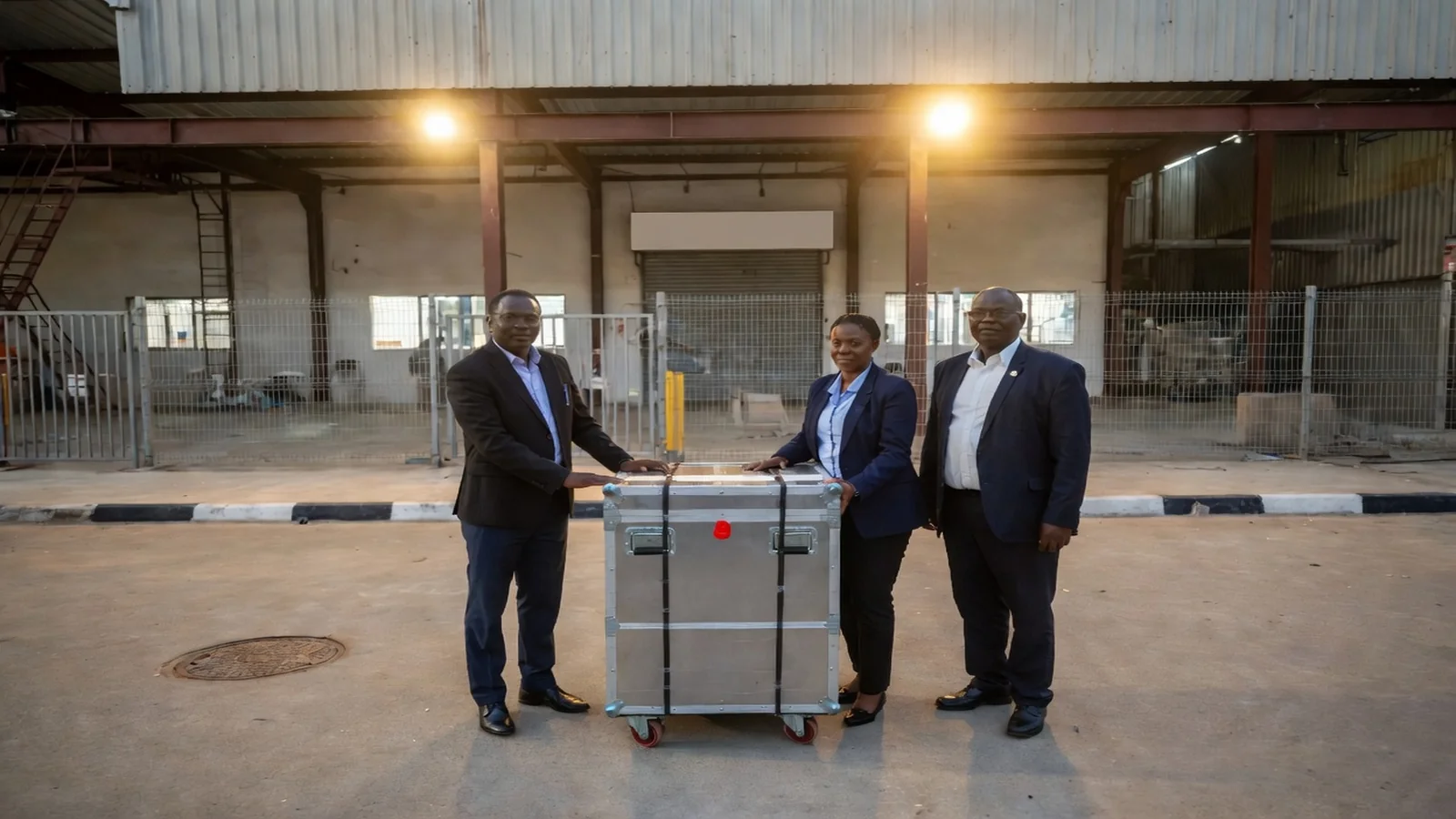
- Ghana Metals coordinates consignments to refineries — we are not a refinery, we do not refine or mine, and we are not GoldBod. We work within Ghana’s GoldBod-regulated framework — the Ghana Gold Board Act, 2025 (Act 1140), under which GoldBod is the sole legal assayer and exporter of ASM-sector gold — and coordinate the official assay/export where it applies
- We make no claim of LBMA accreditation for ourselves, and we do not represent any coordinated refinery as LBMA-accredited unless that is independently and verifiably the case
- Any valuation tied to a consignment is against the international spot price (LBMA / COMEX), never below it — there is no separate “Ghana gold price”
- Responsible-sourcing due diligence aligned to the OECD framework; documented chain-of-custody from origin to intake gate
- Institutional clients only — refineries, banks, investors, manufacturers, export houses; we do not sell gold to the public
- Established 1976 — a real, documented precious-metals service firm
Related Services
Ghana Metals’ refining coordination service connects directly to its broader institutional offering across Ghana and Togo:
- Gold Assay & Fineness Verification — independent assay records that satisfy refinery intake requirements
- Responsible Gold Sourcing — OECD due diligence at origin
- Gold Export Compliance — documentation within the GoldBod regime
- Secure Vaulting & Logistics — documented custody in transit and storage
- Chain-of-Custody Assurance — sealed, tracked, traceable
- Trade Facilitation & Brokerage — end-to-end cross-border support